Can I get a credit card if I'm unemployed?
Yes, you can still get a credit card if you're unemployed. Whether you're accepted comes down to your ability to repay, not just whether you have a job. Your options may be more limited than someone in full-time work, and interest rates can be higher, but there are cards available for people in your situation.
5 min read


Do you need to be employed to get a credit card?
No. What lenders are really looking for is confidence that you can keep up with repayments — and that doesn't have to mean a salary. Some credit cards do have a minimum income requirement or require applicants to be in work, but many don't.
Income from Universal Credit or other benefits, a pension, a partner's income, or regular savings withdrawals may all be taken into account, depending on the lender. It's always worth checking a card's eligibility criteria before applying to see what counts.
That said, if you have no income at all, most lenders will be unable to consider your application. And even where you are accepted, you may be offered a higher interest rate or lower credit limit than you'd hoped for. According to Experian data, the average representative APR for unemployed applicants is around 35.2%.
What information do lenders need?
When you apply for a credit card, the lender will do a credit check to assess your ability to make repayments. They use your past financial behaviour to help predict how you're likely to behave in the future.
You'll also need to fill in an application form, answering questions about your financial circumstances, including your income. This helps the lender work out what you can reasonably afford to repay each month.
It's important to note that different lenders use different systems for working out your credit score. You might be accepted by one lender and turned down by another.
You can ask any lender which credit reference agency they use — they're required to tell you.
It's also worth checking your credit report for any errors and getting them corrected, as inaccurate information can affect your chances.
Things to consider before applying
There are a few things worth thinking through before you apply.
Is there room in your budget?
Before applying, it's worth working out your monthly income — from whatever source — against your essential outgoings like rent, bills, and food. If there's money left over and you're confident you can keep up with repayments, a credit card used responsibly can be a good way to build your credit score over time.
If the budget is tight, it may be better to wait. Missing repayments can result in charges and will damage your credit score, making it harder to access credit in the future.
What do you need the credit card for?
It's worth thinking about why you need a credit card. If it's for an essential purchase — like an urgent home repair — it may be a sensible short-term solution. If you're between jobs and need something to bridge a short gap, that's a reasonable use too, as long as you have a clear plan for repaying it.
If you're looking to use a credit card to top up your income on an ongoing basis, be cautious. This can quickly lead to debt that's difficult to manage.
Can you make the repayments?
You'll need to make at least the minimum monthly repayment once you have a card. To avoid interest building up, paying the full balance each month is the best approach.
Missing just one payment can hurt your credit score and result in fees. Missing several payments can lead to your account defaulting, which will leave a mark on your credit report for six years (making it harder to get credit in the future).
Tip: Set up a Direct Debit for at least the minimum payment each month so you don't accidentally miss one.
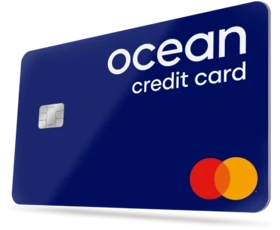
Ocean Credit Card
See if it's a YES before you apply
- Up to £3,000 credit limit
- Checking won't affect your credit score
- Get a response in 60 seconds
39.9% APR Representative (variable)
Intelligent Lending Ltd (credit broker). Capital One is the exclusive lender.
Which type of credit card is best if you're unemployed?
If you're unemployed, your options may be more limited than someone who's in work, but there are still cards designed for people in your situation. The most suitable tend to be:
- Credit builder cards — designed for people with a limited or poor credit history, these cards typically have lower credit limits and higher interest rates, but they can be a useful way to build or rebuild your credit score if used responsibly.
- Bad credit credit cards — similar to credit builder cards, these are aimed at people who may have had financial difficulties in the past.
Whichever card you're considering, use our eligibility checker before you apply. It uses a soft search that won't affect your credit score, so you can check your chances without any risk.
Managing your credit score while unemployed
Your employment status doesn't appear on your credit report, so being unemployed won't directly affect your credit score. What matters is how you manage your finances — keeping up with any existing repayments and avoiding missed payments will help protect your score while you're not working.
If you do get a credit card, you may find lenders offer a lower limit than you expected. This can work in your favour — a lower limit makes it easier to keep spending manageable and stay well within what you can afford to repay.
Rebuilding your credit history
If you have a poor credit history, there are credit cards specifically designed to help you rebuild it. Using one responsibly — keeping spending low and paying it off in full each month — can gradually improve your credit score over time.
Not all of these cards will accept applicants without employment, as some have a minimum income requirement. Always check before applying.
Shop around for the best deal
Use a comparison site or speak to a broker like Ocean to find the right card for your situation. Our eligibility checker shows you the likelihood of being accepted before you apply, without affecting your credit score. This is especially useful if you're uncertain about your options — it means you can explore without the risk of multiple applications leaving marks on your credit report.
What if I can't get a credit card?
If a credit card isn't available to you right now, there are other options worth knowing about:
- Credit unions — not-for-profit organisations that offer loans and savings accounts to members, often with more flexible lending criteria than high street banks. They're worth exploring if you need to borrow a small amount.
- Budgeting support — if you're struggling to cover essential costs, organisations like StepChange and Citizens Advice offer free financial guidance and can help you look at your options.
- Benefits entitlement checks — if you're not already claiming everything you're entitled to, it's worth checking. Tools like the MoneyHelper benefits calculator can help you find out what support is available.
Disclaimer: We make every effort to ensure content is correct when published. Information on this website doesn't constitute financial advice, and we aren't responsible for the content of any external sites.