Does Universal Credit affect your credit score?
If you're on Universal Credit, or thinking about applying, you might be wondering what it means for your credit score. The good news is, Universal Credit itself has no direct effect on your score. But the situation that led you to claim it — like being unemployed or on a low income — could make it harder to borrow money at a good rate.
4 min read


What is Universal Credit?
Universal Credit is the main benefit for working-age people on a low income or out of work. It replaced a number of older benefits — including Housing Benefit, Jobseeker's Allowance, and Working Tax Credit — and if you're still receiving any of those, you may have already received a letter asking you to switch over.
To get UC you need to:
- live in the UK
- be aged between 18 and State Pension age (currently 66)
- have £16,000 or less in savings and investments
- be employed, self-employed, unemployed, or a single parent
You can claim UC whether you're employed, self-employed, unemployed, or a single parent caring for children. If you have children in childcare, you can also claim back up to 85% of eligible childcare costs through Universal Credit.
Universal Credit isn't actually a type of credit, even though the name might make you think so. It's a state benefit that you don't have to pay back.
You can apply for Universal Credit online on the Government website.
If you moved to Universal Credit from legacy benefits and your payments dropped as a result, you might have been entitled to extra money called 'transitional protection'. This top-up made sure you weren't worse off when you switched. If you think this applies to you and you're not receiving it, it's worth contacting the DWP or seeking advice from Citizens Advice.
If you need money urgently while waiting for your first UC payment, you can request an advance of up to one month's UC on the day you claim. This is an interest-free loan repaid through deductions from future UC payments, capped at 15% of your standard allowance and spread over up to 24 months.
Does applying for Universal Credit affect your credit score?
No, applying for Universal Credit does not affect your credit score.
When you apply for Universal Credit, you are not applying to borrow money, and no credit checks are carried out.
The Department for Work and Pensions (DWP) won't check your credit file as part of your application for Universal Credit. However, you will be asked about savings and investments. If you have more than £6,000 in capital (any savings, investments, and physical assets), this will affect how much Universal Credit you get. If you have more than £16,000 in savings and investments, you won't be able to get Universal Credit.
Universal Credit and your credit score
Your credit score is based on your ability to handle credit and payments. Your credit report shows your loans, debts and other credit agreements (such as household bills) and how you manage your finances. Credit reference agencies use this information to work out your credit score.
Your credit report doesn't show how much you earn, or where your income comes from (like a job or benefits). So, neither of these affect your credit score.
How does receiving Universal Credit affect my credit score?
Being on Universal Credit or other benefits doesn't affect your credit score directly.
However, if you are struggling financially, you might miss debt repayments or fail to pay household bills, such as energy or broadband, on time. Defaults and missed payments will have a negative effect on your credit score.
If you receive the health element of Universal Credit, it's worth knowing that the rules changed in April 2026. New claimants now receive a lower health element payment of £217.26 per month, which has been frozen for four years. Existing claimants continue to receive the higher rate of £429.80. This doesn't affect your credit score, but it may affect how lenders assess your income for affordability purposes.
Does Universal Credit count as income for a mortgage?
Although receiving Universal Credit does not affect your credit score, it could affect your ability to take out a mortgage.
Many mortgage lenders do accept Universal Credit as part of their affordability assessment — but not all, and criteria vary. Some will count all of it, just like a wage. Others will only count part of it or ask you to have other income on top.
- If you are unemployed and relying solely on Universal Credit, you may find your options more limited, as lenders will want to be confident the mortgage is affordable over the long term.
- If you are working but on a low income and claiming Universal Credit, your combined income may still be sufficient to pass affordability checks — it's worth using an eligibility checker or speaking to a broker, to see which lenders might accept you.
If you are turned down for a mortgage, or other credit, due to a low income, try to avoid making another application for 6 months. Too many credit applications in a short space of time may cause your score to dip.
Can I claim Universal Credit if I have a mortgage?
Your Universal Credit claim can include a claim for help paying your housing costs.
If you have a mortgage, you can apply for Support for Mortgage Interest payments (SMI). SMI is a type of loan designed to help you pay the interest on your mortgage (the loan amount itself).
You can usually get SMI starting from three months after you claimed Universal Credit for interest payments on mortgages up to £200,000. You will need to repay the SMI loan — plus interest — when you sell your home or if you transfer ownership to someone else.
Can I get a credit card on Universal Credit?
Being on Universal Credit alone probably won't stop you from getting a credit card.
However, as with a mortgage, the lender will ask about your employment status and income.
Being on a low income is likely to stop you being eligible for the best credit card deals. But you might be offered a card with a low credit limit and higher-than-average interest rate.
If you have a poor credit score, you can apply for a credit building credit card. This type of credit card has a high APR but if you borrow a small amount of money regularly and pay your credit card in full each month (so you don't pay any interest), you can improve your credit rating.
How to improve your credit score while on Universal Credit
Being on Universal Credit doesn't have to hold back your credit score. There are several practical steps you can take to build or protect it over time.
- Pay any debts on time and set up Direct Debits for household bills so you don't miss any payments
- Be registered on the electoral roll at your current address
- Pay down debts where possible and consider whether closing some credit accounts you no longer use could be beneficial
- Check your credit report(s) for mistakes and signs of fraud
- Join the Rental Exchange Initiative a scheme that reports your rent payments to help build your credit history.
- Sign up to Experian Boost — a free tool that builds your Experian credit history by taking previously unreported bills such as entertainment subscriptions and council tax into account
If you're struggling with debt, you can access free financial advice and support from a professional debt specialist. Visit Money Wellness, StepChange, Citizens Advice, National Debtline, or MoneyHelper to find out more.
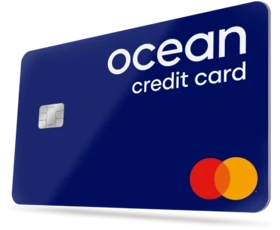
Ocean Credit Card
See if it's a YES before you apply
- Up to £3,000 credit limit
- Checking won't affect your credit score
- Get a response in 60 seconds
39.9% APR Representative (variable)
Intelligent Lending Ltd (credit broker). Capital One is the exclusive lender.
Disclaimer: We make every effort to ensure content is correct when published. Information on this website doesn't constitute financial advice, and we aren't responsible for the content of any external sites.