Can you get guaranteed approval credit cards in the UK?
Guaranteed approval credit cards don't exist in the UK — every lender must carry out checks before they can approve you. But if you've been turned down before and want to know what your options are, you're not alone.
This guide explains what lenders can and can't promise, what 'instant approval' really means, and how to find a card you're more likely to get — without damaging your credit score.
5 min read


What is a guaranteed approval credit card?
A guaranteed approval credit card would be one that accepts every applicant, regardless of their credit history. It's understandable to wonder if something like this exists — especially if you've been turned down before and want to know your options.
In practice, no such card exists. Lenders must follow responsible lending rules set by the Financial Conduct Authority (FCA), which means they have to check your identity, income, and credit history before making a decision. No lender can legally approve you without carrying out these checks first.
What does 'instant approval' mean?
You may have seen credit cards advertised as having 'instant approval' as well as 'guaranteed approval'. These terms are often used together, but they mean different things.
Instant approval refers to how quickly you get a decision — not whether it's certain. Many lenders use eligibility checkers and automated systems that can give you an answer within minutes, or sometimes even seconds. But a quick decision isn't the same as a guaranteed one. Checks still happen; they just happen fast.
What is the difference between guaranteed approval and pre-approval?
These two terms are often used together, but they mean different things.
Truly guaranteed approval doesn't exist in the UK. Any company claiming to offer it should be treated with caution — legitimate, FCA-regulated lenders don't make this promise.
Pre-approval means a lender has looked at some of your information — usually through a soft credit check — and thinks you're likely to meet their criteria. It's a strong signal, but it's not a final decision. You can still be declined when you go ahead with a full application, because the lender will carry out a hard credit check and review your details more closely at that stage.
Can I get a credit card with bad credit?
Yes — though your options will be more limited than if you had a strong credit history. If you've been turned down before, it can feel disheartening — but it doesn't mean you're out of options. Each lender sets its own rules, so one may say yes even if another said no.
Some lenders offer credit cards specifically designed for people with poor or limited credit. These are often called credit builder cards, and they usually come with:
- A low credit limit (often between £200 and £1,500)
- A higher interest rate than standard cards
- The chance to improve your credit score over time if you use the card carefully
These cards still involve a credit check, but they tend to be more flexible with their eligibility criteria, giving you a better chance of acceptance even with a poor credit history.
If you make your payments on time and stay within your limit, this shows lenders you can borrow responsibly — which can help your score improve over time. Bear in mind, if you miss payments, your score will go down.
What is an eligibility checker?
An eligibility checker is the closest thing to a no-risk application. It uses a soft credit check — which doesn't affect your score and isn't visible to other lenders — to show you how likely you are to be accepted for a card before you apply.
If the results look good, you can then choose to go ahead with a full application. At that point, the lender carries out a hard credit check, which does leave a mark on your file. But by using an eligibility checker first, you can avoid applying for cards you're unlikely to get, which protects your score from unnecessary hard checks.
Ocean Credit Card
See if it's a YES before you apply
- Up to £3,000 credit limit
- Checking won't affect your credit score
- Get a response in 60 seconds
39.9% APR Representative (variable)
Intelligent Lending Ltd (credit broker). Capital One is the exclusive lender.
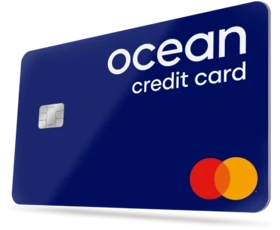
What happens when you apply for the Ocean Credit Card?
Here's how it works:
- You start with a soft credit search through the eligibility checker. This takes around 60 seconds and won't affect your credit score. You'll get a decision straight away.
- If you're approved and choose to go ahead, a full application follows — which includes a hard credit check. This is standard practice for all FCA-regulated lenders.
- If approved, you can access your card details the same day through the Capital One app, so you don't have to wait for your physical card to arrive before you can use it.
Watch out for scams
If you see a company advertising a guaranteed approval credit card, especially one you haven't heard of, be careful. Some companies use this language to target people with bad credit, and not all of them are legitimate.
Watch out for:
- Requests for money before you've been approved
- Promises of guaranteed approval regardless of your situation
- No FCA authorisation
- Poor online reviews or no contact details
You can check whether a lender is authorised by the FCA for free on the FCA Register. If they're not listed, don't apply.
What factors affect my chances of approval?
Although no credit card approval is guaranteed, these factors have the biggest impact on whether you'll be accepted:
- Your credit score. A higher score generally means better approval chances. Lenders use it to assess how reliably you've managed borrowing in the past.
- Your income. Lenders need to see that you can afford to repay what you borrow.
- Your existing debts. If you already owe a lot, lenders may be cautious about lending more.
- Your financial history. Missed payments, defaults, or CCJs can make approval harder, though specialist cards are designed to work around this.
How can I improve my chances of being approved?
There are steps you can take before applying that can make a real difference:
- Check your credit report. Look for any errors and get them corrected — mistakes can lead to unnecessary declines. You can do this for free with Experian, Equifax, or TransUnion.
- Register to vote. Being on the electoral roll helps lenders confirm your identity and address.
- Pay bills on time. Mobile phone contracts and utility bills count towards your credit history, so keeping up with these helps.
- Reduce your existing debt where you can. A lower credit utilisation makes you look less risky to lenders.
- Use an eligibility checker before you apply. This protects your score and helps you focus on cards you're more likely to get.
- Avoid applying for multiple cards at once. Each hard credit check leaves a mark on your file. Several in a short space of time can make lenders think you're struggling financially.
Disclaimer: We make every effort to ensure content is correct when published. Information on this website doesn't constitute financial advice, and we aren't responsible for the content of any external sites.