What is credit card pre-approval and how does it work?
If you have been told you are pre-approved for a credit card, it means a lender has checked some of your information and thinks you are likely to be accepted. It's a good sign — but it is not a guarantee. This guide explains what pre-approval means, how it works, and what to do if you want to improve your chances.
4 min read


What does pre-approved mean for a credit card?
Being pre-approved means a lender has looked at some of your financial information — usually through a soft search of your credit report — and decided you are likely to meet their eligibility criteria. They are essentially saying they are willing to consider your application before you formally apply.
It's also worth knowing that pre-approval is not binding on either side: the lender can still decline your full application, and you are under no obligation to apply just because you have been pre-approved.
It’s important to understand that pre-approval is not the same as being accepted. A full application will still trigger a hard search of your credit file, and the lender will carry out further checks on your financial situation before making a final decision.
If anything has changed since the soft search — or if the information they used was incomplete — your application could still be declined.
You might receive a pre-approved offer in two ways:
- Directly from a lender you have a relationship with, such as your bank, based on what they already know about you.
- Through an eligibility checker, which runs a soft search and tells you which cards you are likely to be accepted for before you apply.
How does pre-approval work?
Here is what typically happens when you check your eligibility for a credit card:
- You use an eligibility checker. This runs a soft search of your credit report, which does not affect your credit score or leave any mark visible to lenders.
- The lender reviews your information. This includes your credit score, credit history, and other financial data such as your income and employment status.
- Your details are checked against the lender's criteria. Each lender sets its own requirements — this might include a minimum credit score, income level, or other factors.
- You receive a pre-approval decision. Providing you meet the criteria, you will be told you are pre-approved, which means you have a good chance of being accepted if you go ahead with a full application.
- You decide whether to apply. If you choose to proceed, the lender carries out a full hard search and additional checks before making their final decision.
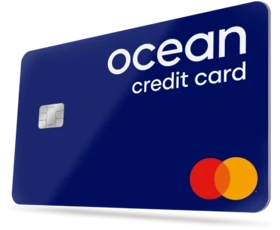
Ocean Credit Card
See if it's a YES before you apply
- Up to £3,000 credit limit
- Checking won't affect your credit score
- Get a response in 60 seconds
39.9% APR Representative (variable)
Intelligent Lending Ltd (credit broker). Capital One is the exclusive lender.
What is a guaranteed APR and why does it matter?
One of the benefits of being pre-approved that most people do not know about is the guaranteed APR.
When lenders advertise a credit card, they show a representative APR — the interest rate that at least 51% of successful applicants will receive. But that means up to 49% of people could be offered a different rate. You would not know what rate you would get until after you applied and the hard search had already been carried out.
With a pre-approved offer, most lenders will show you the exact APR you will receive if accepted. This means you can compare your actual rate rather than an advertised one — and make a more informed decision before committing to a full application.
Does pre-approval affect your credit score?
No — being pre-approved does not affect your credit score. The eligibility check uses a soft search, which is invisible to lenders and leaves no negative mark on your credit file.
Only a full application triggers a hard search, which is visible to lenders and can temporarily lower your credit score by a few points. This is why using an eligibility checker before applying is always worth doing — it lets you find the right card without the risk of collecting unnecessary hard searches on your file.
Can I still be rejected for a pre-approved credit card?
Yes. Pre-approval means you have a good chance of being accepted, not a certainty. There are several reasons a full application might still be declined:
- Recent changes to your credit profile, such as new debt or recent credit applications made since the soft search
- High levels of existing debt, missed payments, or other signs of financial difficulty picked up during the hard search
- A debt-to-income ratio (the percentage of your gross monthly income that goes towards paying off debt) that suggests you may struggle to afford the repayments
- Information on your application that doesn’t match what the lender expected based on the soft search
If you are declined, take some time to check your credit report and understand why before trying again.
How can I improve my chances of being pre-approved?
A few steps can make a real difference:
- Check your credit report for errors. Mistakes on your credit file can affect your score and your chances of being accepted. You can check your report for free with Experian, Equifax, or TransUnion.
- Keep your credit utilisation low. Try to use no more than 25 to 30% of your available credit limit across all your cards.
- Pay your bills on time. A consistent payment history is one of the strongest positive signals to lenders.
- Avoid making multiple credit applications in a short period. Each hard search leaves a mark on your file, and too many in quick succession can suggest financial difficulty to lenders.
- Register on the electoral roll. This helps lenders verify your identity and address, and can have a positive effect on your credit score.
Should I apply for a pre-approved credit card?
Being pre-approved is a useful signal, but it shouldn’t be the only reason you apply for a card. Before going ahead, it’s worth checking that the card is right for your circumstances. Look at the interest rate, the credit limit you are likely to receive, and whether the card offers anything useful for how you plan to use it.
If you’re pre-approved for multiple cards, compare them on those factors rather than just choosing the first offer you receive.
And remember — pre-approval is not a guarantee. It is also not an obligation. Receiving a pre-approved offer does not mean you have to apply. Take your time to decide whether the card is right for you.
Only apply if you are confident you can manage the repayments, and only borrow what you can afford to pay back.
Disclaimer: We make every effort to ensure content is correct when published. Information on this website doesn't constitute financial advice, and we aren't responsible for the content of any external sites.