
What is a credit card?
5 min read

How do credit cards work?
Ideally, a credit card can be used to:
- spread the cost of a large purchase
- build your credit score
- offer protection on some purchases
- earn rewards on your spending.
However, this depends on the type of credit card you get and how you use it.
When you get a credit card, it will have a credit limit and an interest rate. When you make a purchase, the lender will technically pay for it. You’ll then receive a statement that tells you:
- the minimum amount you need to pay
- the date you need to pay by
- any interest, additional charges and/or fees.
You’ll need to pay off the amount you’ve spent, by the date given on your statement or pay at least the minimum amount stated on your monthly statement.
Most credit cards can be paid via an app or by mobile banking. If you have trouble remembering when your payments are due, you could set up direct debits from your bank account. This will help you make sure your payments are always made on time.
A credit card is a form of revolving credit, which means you can spend money, repay and then spend again. It also means you have control over your payments – you can pay more one month and less another. This is different from non-revolving credit, like a loan, where you borrow a set amount and repay a set amount each month.
Pros and cons of credit cards
Pros of having a credit card
There are several advantages of having a credit card:
- the main advantage is that you can spread the cost of your purchases, rather than having to pay it all upfront
- purchases made on a credit card over £100 could be protected by your lender. This is referred to as Section 75. It basically means that if your purchase (over £100) doesn’t turn up, is damaged, or the retailer goes bust, your credit card provider may be able to reclaim the money for you
- you can use your credit card to build your credit score. If you use your card correctly and make your payments on time and stay within your limit, then you should see an improvement in your credit score
Cons of having a credit card
- you’re essentially getting into debt when you spend on it. If you know you can pay for what you spend, then you don’t need to worry. However, if you only make the minimum payment, then you’ll rack up debt that could become difficult to pay off
- if you miss your repayments or go over your limit, you can damage your credit score. This means you could struggle to get more credit in the future – including a mortgage or loan
- all credit cards come with fees and charges that are attached to spending on the card. You need to make sure you read these carefully, so you know what costs are involved with spending on the card
What are the costs involved?
When it comes to a credit card, they can generally be free to obtain. However, the fees you might have to pay are the ones set out in the terms and conditions by your lender. For example, if you don’t pay your bill, pay late or go over your limit, you should expect to pay extra charges.
Some cards do come with an annual fee too, these tend to be cards with benefits and rewards such as air miles.
How to get a credit card
In order to get a credit card, you’ll need to complete an application to the lender. You'll typically need to provide information such as:
- your income
- your occupation
- if you have any dependants
- your age.
If you’re thinking of applying for a credit card, then it’s a good idea to check your credit score first. If you don’t and your score is low, your application could be rejected, which will damage your credit score even further. For most cards, you can use an eligibility checker to see if you’re likely to be approved for a product before you apply.
If you have a poor credit history or no credit history, there are things you can do to help you improve it for the future. For example, there are some cards designed to help you build your credit score.
What is a charge card?
Charge cards work in a similar way to credit cards, but there are some differences that you should be aware of.
Like a credit card, a charge card works with a buy now pay later structure. The key difference is that you need to pay off your charge card in full every month. With a credit card, you can pay off what you’ve spent in affordable chunks each month.
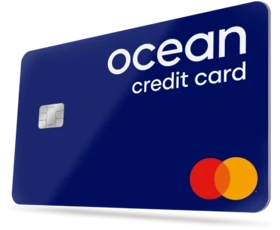
Ocean Credit Card
See if it's a YES before you apply
- Up to £8,000 credit limit
- Checking won't affect your credit score
- Get a response in 60 seconds
Intelligent Lending Ltd (credit broker). Capital One is the exclusive lender.
Disclaimer: We make every effort to ensure content is correct when published. Information on this website doesn't constitute financial advice, and we aren't responsible for the content of any external sites.