
Credit cards for students
If used responsibly, your first student credit card could help you build positive credit history and set you up for future milestones like applying for your first mortgage. Not doing so could harm it.
6 min read

In a nutshell
- You could be eligible for a credit card, even if you’re a student with no credit history.
- As a student, you may get a low credit limit, because this limits the risk to card providers.
- Using your credit card responsibly means making your minimum payment on time, every time.
- If you clear your outstanding balance each month, you will avoid paying interest and building up debt.

What is a student credit card?
A student credit card is a normal credit card that is available to students. By issuing you with a credit card, the card provider understands that, as a student, you’re likely to have a low or variable income.
You may also have a poor or thin credit history, meaning you have either missed payments in the past or have never borrowed money at all.
How do student credit cards work?
If you are accepted for a credit card, you could be subject to a lower credit limit. A credit limit defines how much you’re permitted to borrow on a card. Lower credit limits should be easier for you to manage and carry less risk for the card provider.
Your lack of credit history may make it difficult for credit card providers to predict whether you’ll be a responsible borrower. They may be unwilling to increase your credit limit if your income is different each month, as they won’t know if you’ll be able to pay back what you owe.
Another factor to keep in mind for credit cards is the interest rate (the APR). This is the amount you’ll owe if you don’t pay off the card’s full balance. Use our credit card calculator to see how long it could take to pay back a card with interest.
Am I eligible for a student credit card?
Eligibility criteria vary between providers, but being a student doesn’t necessarily mean you’re not eligible. If you're over 18 and live in the UK, then you may be eligible for a credit card.
When deciding whether to provide you with credit, credit card providers look for signs that you’ll be able to pay it back. These will include:
- Having sources of income (such as salary from a part-time job, or any support you get from your parents).
- Keeping up with other forms of credit, like your phone plan.
If you are rejected for a credit card, give it some time before starting a new application. Multiple applications in a short period of time can harm your credit score.
You can build your score without using a credit card – small steps like checking your credit report for mistakes or getting on the electoral roll can make a difference.
You can try applying for a credit card again once your credit score has improved.
What to consider before applying for a credit card as a student
If you’re a student, it's likely that this would be your first credit card.
A credit card is like a debit card, but the money you spend is borrowed from a credit card provider. If you don’t pay off the full amount, you’ll owe the provider interest.
Another thing to keep in mind is that credit cards charge a fee for withdrawing cash, so it’s best to stick to your debit card when using an ATM.
Before applying for a credit card, ask yourself these questions:
- Can I afford it? Paying back your full credit card balance every month means you'll avoid paying any interest.
- Is my credit report up to date? Credit card providers check your history of managing credit when considering your application. Contact a credit reference agency like Equifax or Experian to check your credit score and make sure the details are accurate.
- Can I use it responsibly? If you start to miss repayments or go over the credit limit, it may be more difficult to borrow in the future.
How to use a student credit card
This is how you use a credit card:
- Apply for a credit card Applying for a card leaves a mark on your credit report, so it’s best to know if you’ll be accepted beforehand by using an eligibility checker.
- Once approved, you’ll receive your card Make a note of your credit limit, which shows how much you can borrow on your card.
- Use your credit card to make purchases You can make purchases online and in-store with a credit card. Stay within your limit, and make sure you’re only spending what you can afford to repay.
- You’ll receive your bill monthly Setting up a Direct Debit will make it easier to make your payments on time.
- Pay back your balance in full If you pay off less than you spent, the rest will be owed back with interest.
Advantages and disadvantages of credit cards for students
|
Advantages |
Disadvantages |
|
Building your credit score |
High interest rates |
|
Purchase protection |
Lower credit limit |
|
Unlock funds monthly |
Taking on debt |
Does a student loan count as income when applying for a credit card?
Student loans aren’t normally counted as income when providers check for credit card eligibility, as it’d be using one form of debt to cover another.
What happens to your student credit card after you graduate?
You’ll still be able to use your student credit card after you graduate. Additionally, you may be eligible for a larger credit limit or a lower interest rate after years of responsible use.
Can you get a credit card as a student with no income?
If you don’t have a consistent source of income (other than a student loan), like a part-time job, it’s less likely you’ll be accepted for a credit card.
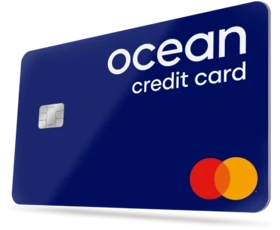
Ocean Credit Card
See if it's a YES before you apply
- Up to £1,500 credit limit
- Checking won't affect your credit score
- Get a response in 60 seconds
Intelligent Lending Ltd (credit broker). Capital One is the exclusive lender.
Disclaimer: We make every effort to ensure content is correct when published. Information on this website doesn't constitute financial advice, and we aren't responsible for the content of any external sites.
