
Can a graduate get a credit card?
Yes — many graduates can get a credit card. You won’t find a special “graduate credit card,” but graduates can usually apply for student cards, credit-builder cards, or simple entry-level cards, depending on their income and credit history.
4 min read

In a nutshell
- Graduates can usually get a card. Most banks accept applications from anyone 18+ living in the UK.
- Lenders look at your income, address and any credit history.
- No official “graduate” card exists. You’ll pick from student, entry-level or credit-builder cards.
- Paying on time and keeping spending low helps build your score.

What is a graduate credit card?
Even though people often search for “graduate credit cards,” there isn’t a special card that only recent graduates can apply for. Instead, banks offer a few types of cards that naturally suit people who are just starting out. These include student cards, credit-builder cards, and entry-level cards.
Student cards are designed for people at university but some banks allow recent graduates to apply if they still meet the basic criteria. Credit-builder cards are made for anyone with little or no credit history, so many new graduates fit this group. Entry-level cards are simple, no-frills credit cards that you can apply for once you have some income.
Can a graduate get a credit card?
Yes it’s possible for graduates to get a credit card. Banks mainly check that you are over 18, live in the UK, and have some form of income. That income might be a graduate job, part-time job or other regular payments. Lenders also look at your credit history, if you have one, to see if you usually pay bills on time.
If you don’t have much credit history yet, that’s completely normal. Most graduates start from scratch, and many credit cards are made for beginners. You might get a lower credit limit at first, but this can grow over time if you use the card well.
What do lenders look at?
When you apply, lenders check a few simple things:
- Your age and UK address confirm you’re eligible.
- Your income helps the bank decide whether you can afford the card.
- If you already have a credit history, they’ll look at how you’ve managed past bills or borrowing. If you don’t have a history yet, that’s fine — it just means the lender may offer a smaller limit.
All of this helps the lender make sure the credit card is affordable for you.
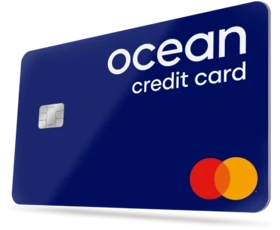
Ocean Credit Card
See if it's a YES before you apply
- Up to £1,500 credit limit
- Checking won't affect your credit score
- Get a response in 60 seconds
Intelligent Lending Ltd (credit broker). Capital One is the exclusive lender.
What kinds of credit cards suit graduates?
There are a few types of credit cards that tend to work well for graduates, depending on your income and credit history.
Student credit cards
These cards are usually aimed at people still studying, but some banks allow recent graduates to apply. Student credit cards tend to come with lower limits and simple features, making them a steady starting point.
Credit-builder cards
These are designed for people with little or no credit history. They can help you build a score by showing you can manage borrowing safely. They’re often a good match for new graduates who are just starting work.
Entry-level credit cards
These are simple, everyday credit cards that you can apply for once you have steady income. They’re not specifically designed for building credit, but they can still help to. They often suit graduates who already have a small credit history and want a straightforward card.
Why a credit card can help after graduation
A credit card can be a useful tool as you start adult life. Paying your balance on time each month helps build your credit score. This could make it easier to rent a home, get a phone contract or apply for a loan in the future. Credit cards can also offer purchase protection under Section 75, which covers many purchases over £100.
Used well, a credit card helps you learn healthy money habits. Used poorly, it can become stressful — so the focus should always be on spending only what you can comfortably repay.
Simple tips to use your first credit card safely
The easiest way to stay in control is to pay the balance in full each month. If you can’t, try to pay as much as you can to reduce interest. It also helps to set up a Direct Debit so you never miss a payment. Avoid applying for lots of cards at once, as this can make future applications harder.
Keeping your spending low and your payments on time helps build a strong credit score over time.
What credit limit can a graduate expect?
Many graduates start with a smaller credit limit, often a few hundred pounds. This is normal and helps you learn good habits without risking too much spending. As you build trust with the lender, they may offer to increase your limit later on — but you don’t have to accept it if it doesn’t suit you.
Quick checklist before you apply
Before applying, ensure you’re 18 or older, live in the UK, have some income, and feel comfortable paying the card back each month. If you’re happy with those points, you’re likely ready to start comparing cards.
Disclaimer: We make every effort to ensure content is correct when published. Information on this website doesn't constitute financial advice, and we aren't responsible for the content of any external sites.
