Balance transfer card vs. money transfer card: what's the difference?
A balance transfer card moves existing credit card debt to a new card with lower interest rates. They can help you save money and pay off debt faster. Meanwhile, a money transfer card lets you transfer cash directly to your bank account. This money can be used for emergencies or expenses, for example.
4 min read

What is a balance transfer credit card?
A balance transfer card is used to transfer the balance from one or more credit cards to another.
The main purpose of a balance transfer card is to help you consolidate your credit card debt onto a single card. Usually, this type of card will come with a low or 0% interest period to help you save money and pay off your debt faster.
What can a balance transfer credit card be used for?
With a balance transfer credit card, you can:
- Pay off expensive credit card debt by moving balances. Going from high-interest credit cards to a new card with a lower interest rate to save money.
- Combine multiple debts into one, making it easier to manage your payments.
- Lower your monthly payments by reducing your interest rate, making it easier to stay on top of your bills.
- Pay off debt quicker with lower or no interest during the promotional period. More of your payment goes towards paying off the debt, helping you get out of debt faster.
- Boost your credit score by reducing your overall debt and paying it off faster.
What is a money transfer credit card?
A money transfer credit card lets you move money straight from the card to your bank account. You can use this type of card to get quick access to cash for many different needs, not just paying off credit card debt.
What can a money transfer credit card be used for?
A money transfer credit card can help you:
- Pay for things when a credit card isn't accepted. If your balance is low but somewhere doesn’t accept credit cards, you can use your money transfer card to transfer money over to your bank account.
- Cover emergencies with quick access to cash. This is helpful for unexpected expenses like medical bills or urgent home repairs.
- Pay for large expenses at a lower interest rate over time. This could be for things such as appliances or furniture that cost a lot.
- Manage cash flow by bridging financial gaps when your expenses are higher than your income.
The key differences between balance transfer and money transfer cards
A balance transfer card lets you move debt between credit cards, while a money transfer card lets you move debt into your bank account.
Both balance transfer and money transfer credit cards can be used to achieve your financial goals. However, there are some differences that you should know to help you decide which is right for you.
Usage
Balance transfer cards are mostly used for managing and reducing credit card debt. Money transfer cards offer more flexibility. They can be used for broader financial purposes beyond credit card debt repayment.
Fees
Both types of cards typically charge transfer fees. These fees may vary in amount, influencing the overall cost of transferring debt or funds. The fee is usually a percentage of the amount transferred. Fees are usually minimal, but it’s important to consider how much you’d be saving with the transfer compared to the fee you’ll be charged for doing it.
Credit limit
The amount you can transfer is subject to the credit limit of the respective card. This could impact potential consolidation or access to funds. Make sure that the credit limit is high enough to carry the balance needed before you apply.
Interest rates
Often, both cards feature promotional periods with low or 0% interest rates. However, the terms and conditions for both balance transfer and money transfer cards vary. You should weigh up how these terms differ and pick the card that best suits your needs.
Things to consider before you apply
The credit card you go for will depend on your personal goals. However, with both types of transfer credit cards, there are some things you should keep in mind before you apply:
-
Try to avoid spending on either card once the transfer is complete. Spending or withdrawing money may impact the terms or interest rates you’d originally been offered.
-
Determine the total amount of debt you plan to transfer or manage with the new card. This helps you select a card with an appropriate credit limit and promotional offer that suits your needs.
-
Evaluate how the new card's payments will fit into your monthly budget. Think about how much you can afford to pay towards your credit card. You need to be making at least the minimum payment each month. The more you can contribute, the faster your debt will be paid off. Any additional payments required to pay off transferred balances or borrowed funds must be accounted for.
-
Reflect on your long-term financial goals and how a new card fits into your overall financial plan. Consider whether consolidating debt or accessing cash aligns with your objectives. If your goals are to become debt-free, save for a major purchase, or build an emergency fund, how does a new card fit?
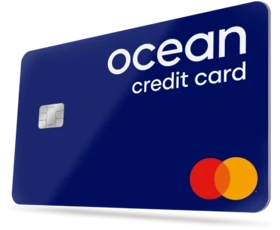
Ocean Credit Card
See if it's a YES before you apply
- Up to £3,000 credit limit
- Checking won't affect your credit score
- Get a response in 60 seconds
Intelligent Lending Ltd (credit broker). Capital One is the exclusive lender.
Disclaimer: We make every effort to ensure content is correct when published. Information on this website doesn't constitute financial advice, and we aren't responsible for the content of any external sites.